Share this post
CASL Experts Testify as Data Disaggregation Bill Advances to Final Vote
The bill aims to improve how AANHPI communities are represented in city data systems. Following the committee hearing, the bill now moves to a final City Council vote on May 20.
Civic Engagement & Advocacy
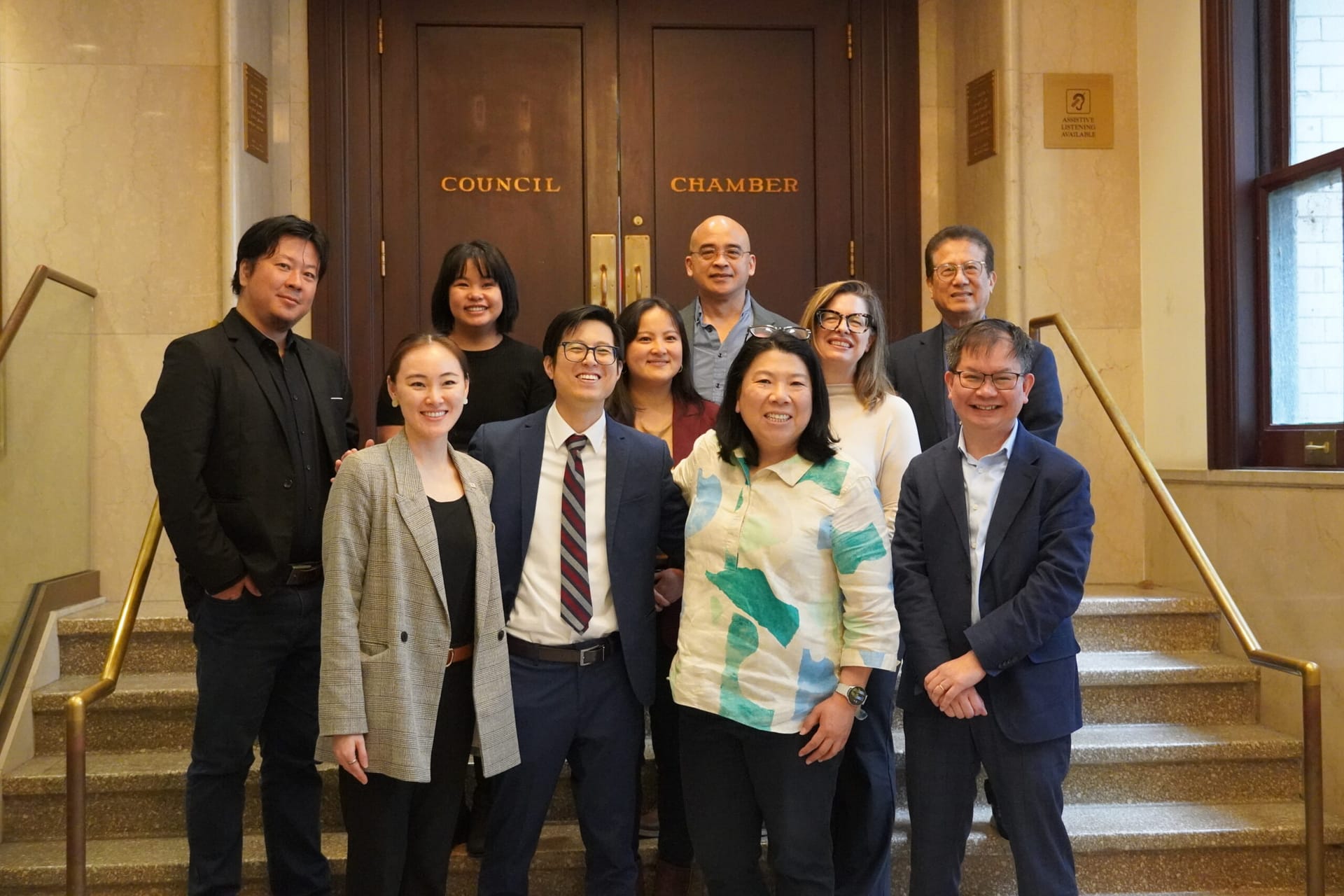
On May 7, CASL joined community advocates at Chicago City Hall for a successful hearing that advanced the proposed Data Disaggregation Ordinance through the Committee on Health and Human Relations.
Following the committee hearing, the bill now moves to a final City Council vote on May 20.
What is the Data Disaggregation Ordinance?
Introduced last November, the ordinance would require the Chicago Department of Public Health (CDPH) and the Department of Family and Support Services (DFSS) to annually collect and publicly release disaggregated data on AANHPI communities.

Rather than grouping all AANHPI residents under broad categories, the ordinance requires data to be broken down into more than 15 Asian ethnic groups, including Indian, Cambodian, Native Hawaiian and Polynesian communities. It also ensures representation of Pacific Islander communities, including Polynesian, Micronesian, Native Hawaiian and others.
Beyond data collection, the ordinance also requires CDPH and DFSS to identify service gaps and recommend improvements in resources for these communities, many of which remain underrepresented due to aggregated data systems, as highlighted in CASL’s 2026 Change InSight report.
CASL’s Testimony Before the Committee
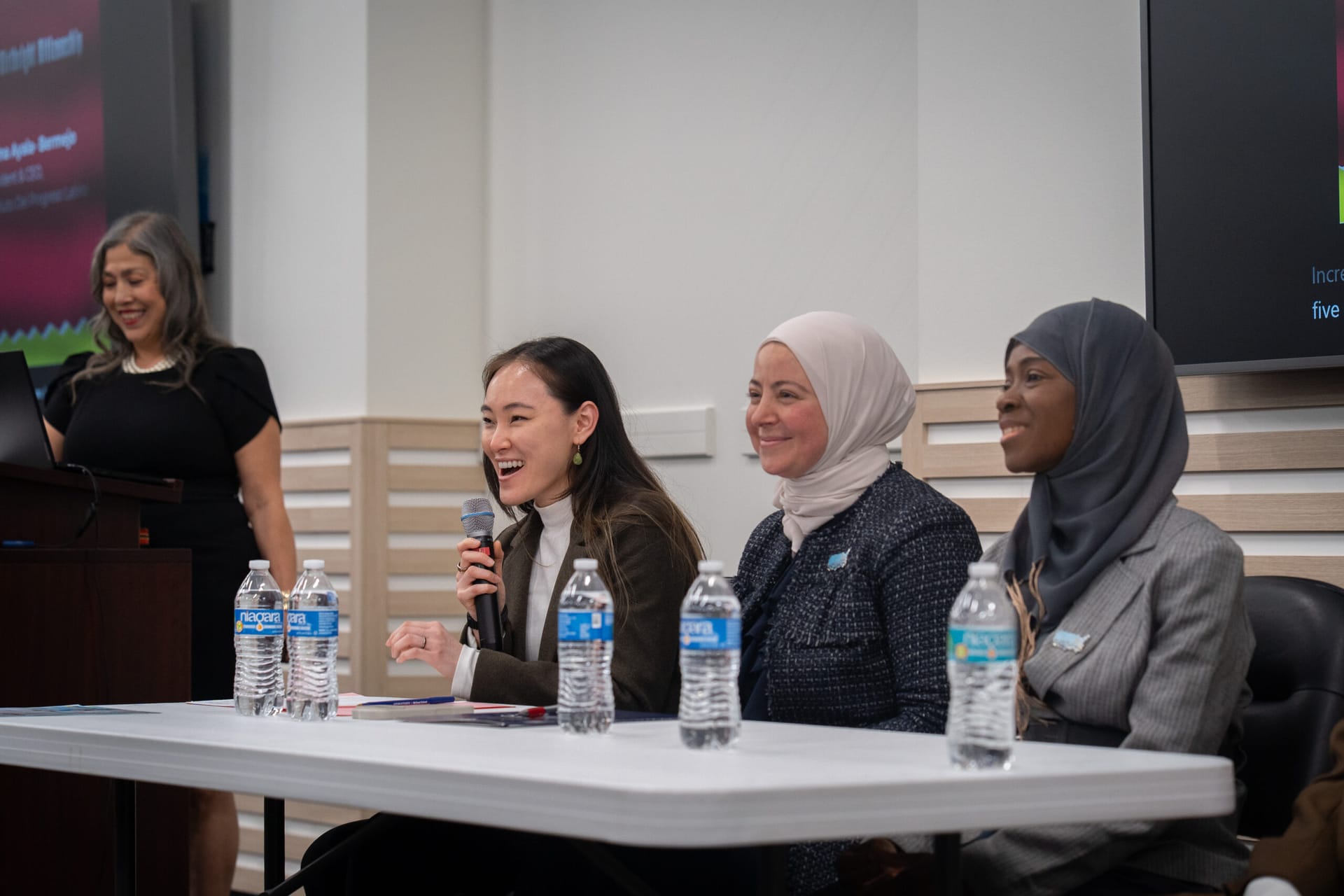
CASL’s Director of Government Affairs and Advocacy, Lisa Wright, and Data Strategist David Li served as expert witnesses.
Lisa highlighted the importance of extending data disaggregation beyond specific wards, pointing to areas such as the 25th, 39th, 42nd and 50th wards as key examples. She underscored the need for a consistent, citywide approach to disaggregated data collection to better address disparities in health care, income and education.

She also pointed to findings that often go unseen in aggregated datasets—for example, Mongolian communities are nearly four times more likely to be uninsured than the national average for Asian Americans. Burmese and Bangladeshi communities also experience disproportionately higher poverty rates compared to other Asian ethnic groups.
David addressed concerns around feasibility and implementation. He clarified that the ordinance does not require collecting entirely new data but rather, restructuring existing data collection systems to consistently include more detailed ethnic categories.
He also noted that more nuanced data has direct policy implications. For example, improved disaggregation can strengthen language access systems, especially for South Asian communities that face disproportionate barriers during civic processes such as voting.
Community Voices in Support
CASL staff, community members and community partners shared testimonies reflecting both professional expertise and lived experience.
Staff speakers included Fareine Suarez, director of marketing and communications; Edison Li, manager of citizenship and adult education; Thy Nguyen, vice president of impact and advocacy; Alex Montgomery, senior director of impact and advocacy; and April Rosché, senior policy analyst.

Drawing from their experiences as first-generation Asian Americans, service providers and advocates working directly with immigrant and refugee communities, staff emphasized how data invisibility impacts both CASL clients and the communities they come from.

Zainab Zahid of the Muslim Civic Coalition, Jerry Clarito of the Rizal Center and Larry Leopoldo of CIRCA Pintig joined as community partners, sharing public comments about the harmful effects of the “model minority” myth and how disaggregated data directly informs public health planning and community investment decisions.
What Happens Next
With committee approval secured, the ordinance now moves to a final City Council vote on May 20.
As the bill reaches this critical stage, CASL invites community members, partners and supporters to attend the vote and show their support for data equity in Chicago. Public participation continues to play an important role in ensuring that AANHPI communities are accurately represented in city systems and decision-making.
This next step is an opportunity to stand with advocates, elevate community voices and help move this policy across the finish line.
If you are interested in attending the May 20 vote or want to learn more about the ordinance, email CASL at advocacy@CASL.org.