Share this post
Elders Reflect on Mid-Autumn Festival, and What Community Means When You’re Far From Home
For generations of Chinese families, Mid-Autumn Festival is a night built entirely around gathering, when the whole rhythm of a neighborhood bent toward the same moon.
Social & Cultural
Interview conducted by Viana Chau, CASL Grant Writer

Every culture has holidays that don’t just mark time, but hold a community together. For generations of Chinese families, Mid-Autumn Festival has been one of those anchors — a night built entirely around gathering, when the whole rhythm of a neighborhood bent toward the same moon. But immigration doesn’t just move people across distance. It disrupts the infrastructure that made traditions like this effortless: the shared calendar, the extended family down the street, the collective pause that made a holiday feel like an event instead of something you have to engineer alone. We sat down with six CASL elders — Ms. Mo, Ms. Zhou, Ms. Yu, Ms. Mui, Ms. Gong, and Ms. Moy — to talk about what the holiday looked like when they were young, and what’s changed since. Their answers say as much about what’s been lost in the move as what their community — and organizations like CASL — are working to rebuild.
Their memories are all a little different, but they add up to the same picture.

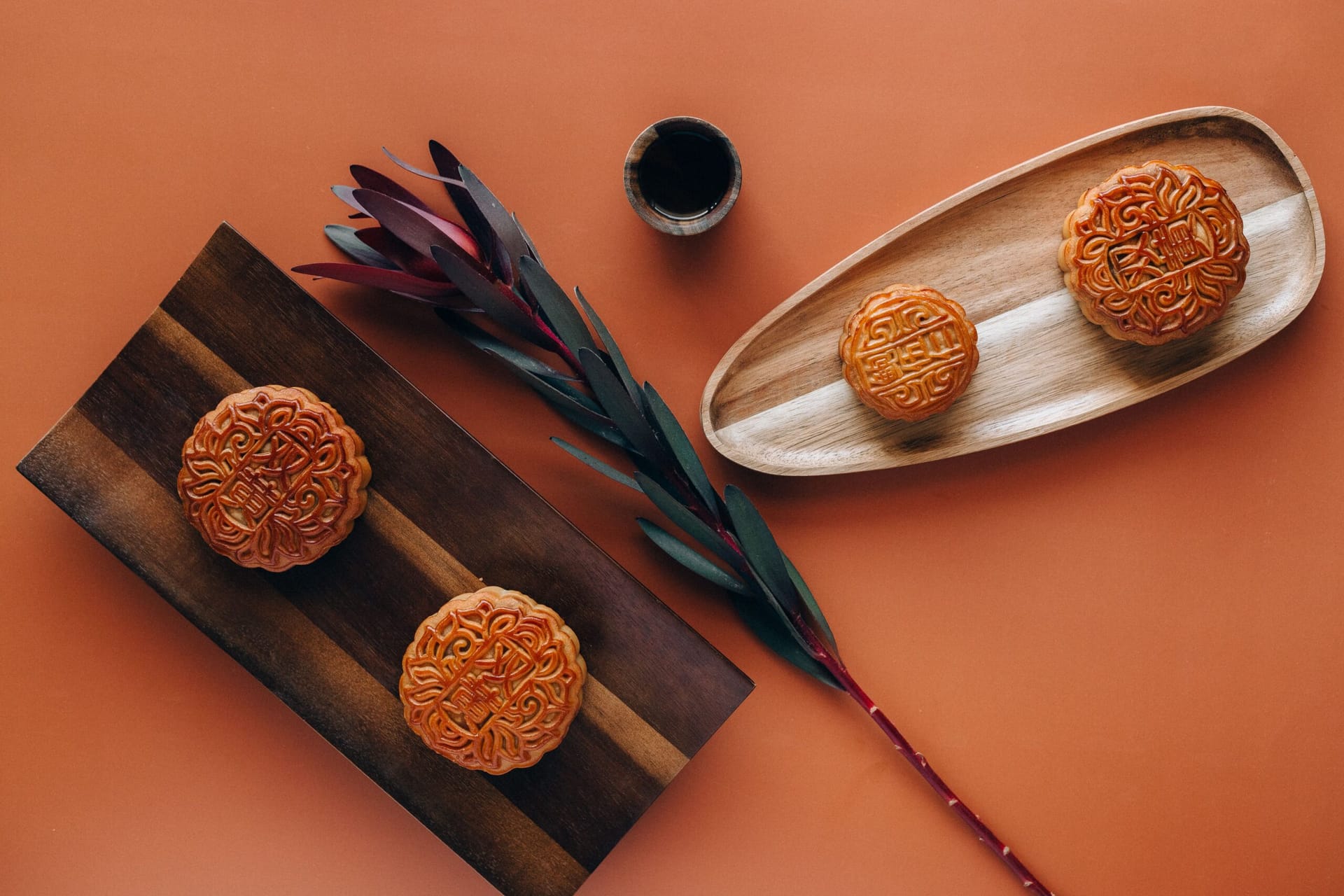
For Ms. Mo, it was casual and communal: “We did BBQ at the park, and we ate mooncakes, grapefruit, and other foods. You eat whatever you want.” Ms. Zhou’s family leaned more formal — a reunion dinner with chicken, steamed taro, and grapefruit cut into small pieces so everyone got a share. “It’s a reunion with everybody chatting,” she says. For Ms. Moy, whose father was a businessman, the holiday extended past family: “The family and my father’s workers stayed together to admire the moon. While admiring the moon, we ate fruits, mooncakes, roast chicken, and roast duck.”

After dinner, the ritual moved outside. Ms. Mui and Ms. Gong both remember the same scene from a kid’s-eye view: fruit and mooncakes laid out, adults waiting for the moon, and children running around with lanterns while everyone else admired the sky.
Lost in Translation
Ask the same women how the holiday feels in America, and the tone shifts.

“In China, when it’s Mid-Autumn Festival, the atmosphere is very festive,” Ms. Zhou says. “But there aren’t any events like that anymore in America. The most we can do here is just eat a dinner together.”
Ms. Yu points to something structural — in the U.S., Mid-Autumn Festival isn’t a recognized holiday. No day off, no citywide pause. “Sometimes we don’t even notice it’s Mid-Autumn Festival,” she says. “Everyone is busy working… especially the younger people.”
What’s being described isn’t nostalgia for a place. It’s the loss of infrastructure — the shared calendar, the collective slowdown, the neighborhood-wide permission to stop and gather — that made the holiday feel automatic rather than like an effort a single family has to make on its own.
Rebuilding Community
There’s a second thread running through these conversations, and it’s more hopeful: the atmosphere is coming back, just differently.

Ms. Mui has been in the U.S. long enough to remember when Chinatown grocery stores had nothing for the holiday. “Now, there are more new immigrants who have come over,” she says. “When there is an event, there will be more things to buy and people rushing to buy them. The Chinatown supermarkets are more busy.”
And for Ms. Moy, the festival survived by moving to the next generation. “All my children are coming over, the kids are playing with the lanterns. We eat mooncakes. All my kids were born here. They know this festival, and we buy mooncakes every year.”
Reunion and Reconnection

Asked directly what the holiday means, Ms. Yu doesn’t hesitate: “Reunion. The most important thing is being together, eating whatever food, and being very happy.”
That’s a small ask on paper. In practice, for elders who left behind the version of this holiday that didn’t require effort — the one where the whole neighborhood observed it with you — reunion is the thing hardest to recreate alone.
What comes through in every one of these memories is that Mid-Autumn Festival was never really about the mooncakes. It was about a community that made space, without being asked, for people to stay connected to each other and to where they came from. That kind of connection doesn’t survive on its own once families are scattered across a new country, working long hours, raising kids who grow up without the same context their grandparents had. It has to be built back, deliberately — through programs, gathering spaces, and cultural events that give people a reason and a place to show up.
That’s the work CASL does year-round for older adults in our community: creating the reunion that immigration made harder to have on your own. If this kind of connection matters to you, you can help make it possible — support CASL’s programs at casl.org/donate and help our elders stay close to each other, and to the culture that shaped them.